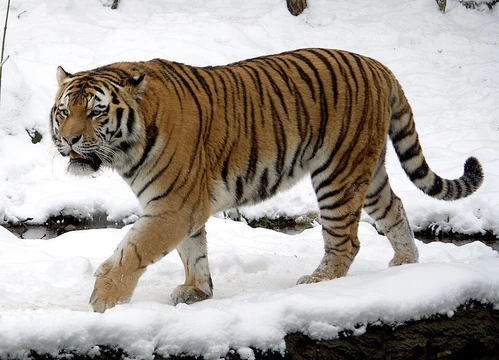
Leopard
A spotted, solitary predator adapted to diverse habitats across Africa and Asia.

Thomas Fuhrmann · CC BY-SA 4.0
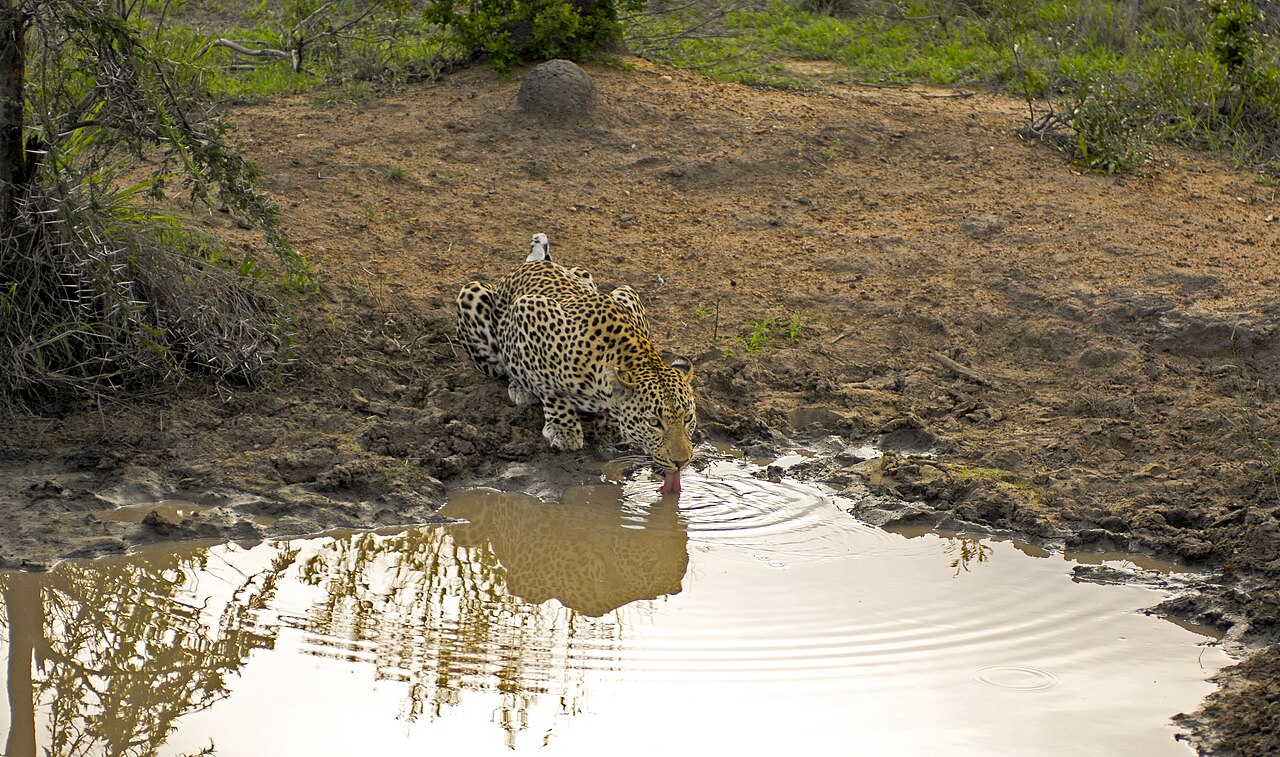
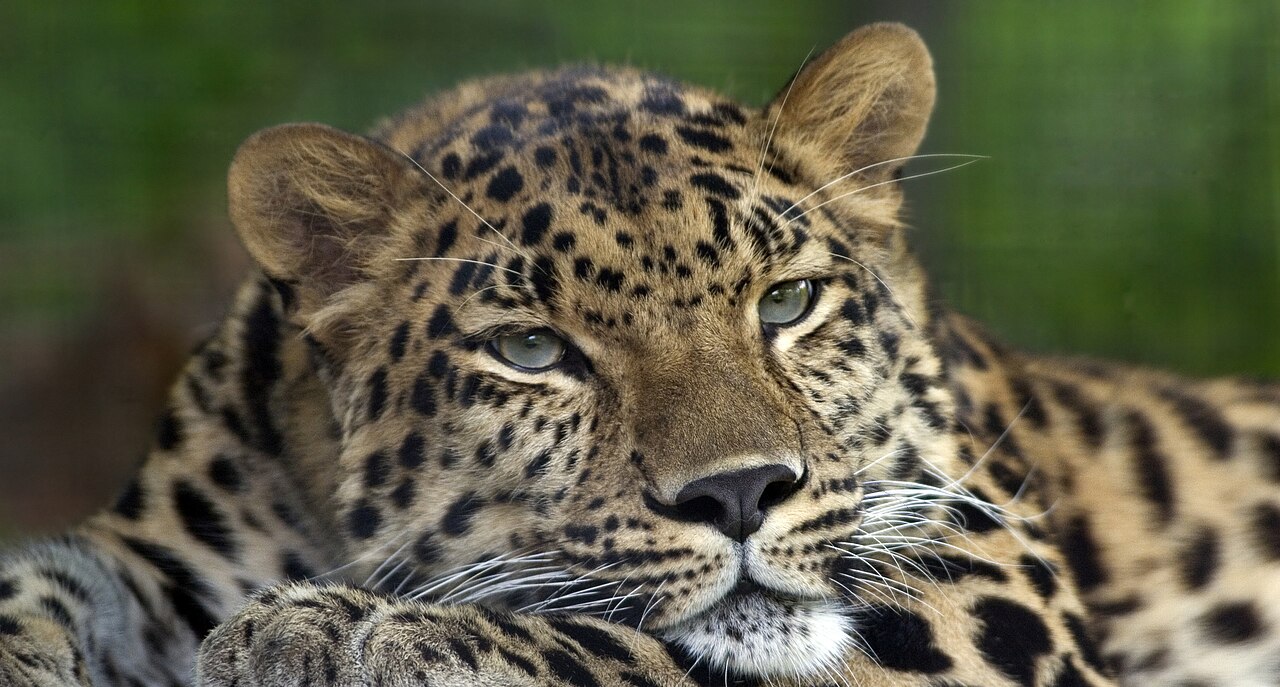
It is a slender, muscular predator with pale yellowish to dark golden fur marked by dark rosettes, adapted to a wide range of habitats from rainforest to steppe. Listed as Vulnerable on the IUCN Red List, its populations are threatened by habitat loss and fragmentation, and it has held cultural roles in Ancient Greece, West Africa, and modern Western culture.
- Scientific name
- Panthera pardus
- Typical weight (female)
- 20.5–43 kg (45–95 lb)
- Conservation status
- Vulnerable (IUCN Red List)
Lore & Background
The leopard evolved in Africa during the Early Pleistocene, then migrated into Eurasia around the Early–Middle Pleistocene transition. It was formerly present across Europe but became extinct there near the end of the Late Pleistocene–early Holocene. The oldest unambiguous fossils are from Eastern Africa, dating to about 2 million years ago. Leopard-like fossils possibly from the Pliocene were found in France, England, and Italy, and Pleistocene fossils have been excavated at over 40 European sites, including caves in Portugal, Gibraltar, Spain, and Poland. Four European Pleistocene subspecies were proposed, with the most recent, P. p. Cave paintings in Chauvet Cave provide indirect evidence of leopard presence in Europe.
Reader's Guide
The leopard is a significant species in the genus Panthera, sharing a common ancestor with the lion and jaguar. Phylogenetic studies show its lineage diverged about 4.35 million years ago, and it is a sister taxon to the clade containing the lion and jaguar. The leopard's ability to inhabit a variety of environments—from rainforest to arid and montane areas—demonstrates its adaptability. Its spotted pattern provides camouflage for stalking and ambushing prey, which it often drags up a tree. The species is solitary outside mating and cub-rearing, with females giving birth to 2–4 cubs every 15–24 months. Despite being listed as Vulnerable, leopards have a wide range across Africa and Asia, though populations are declining due to habitat loss and fragmentation. Their cultural roles span from Ancient Greece to modern Western culture, and their skins remain popular in fashion.
Did You Know?
- The English name 'leopard' derives from ancient Greek λεόπαρδος (leopardos), originally referring to the leopard itself.
- Melanistic leopards, known as black panthers, are caused by a recessive allele inherited as a recessive trait.
- Leopards have a diploid chromosome number of 38.
Evolutionary Lineage & Classification
The leopard (Panthera pardus) occupies a well-defined position within the genus Panthera, the lineage that diverged from the Felinae subfamily roughly 6.37 million years ago. A 2010 molecular phylogenetics study clarified internal relationships among Panthera members, revealing that the lion, leopard, and jaguar form a tighter cluster than either does with the tiger or snow leopard. The ancestor shared by lions, leopards, and jaguars separated from the rest of the genus between 4.3 and 3.8 million years ago. The jaguar then branched off from the lion-leopard ancestor line between 3.6 and 2.5 million years ago, and finally, lions and leopards split from one another approximately 2 million years ago. This places the leopard as a sister species to the lion, sharing a more recent common ancestor with it than with any other extant big cat, while the tiger and snow leopard represent a separate sister pair that diverged around 3.9 million years ago.
Anatomy & the Mechanics of Roaring
One of the leopard's most striking physiological traits is its capacity to produce a deep, resonant roar, a capability shared by four of the five Panthera species but absent in the snow leopard. This ability stems from an elongated larynx supported by a specialized hyoid apparatus. The hyoid bone hangs from a chain of smaller bones—tympanohyal, stylohyal, epihyal, and ceratohyal—anchored in the mandible and skull. Within the larynx, thick vocal folds composed of dense collagen and elastic fiber create a large pad of fibro-elastic tissue. When this pad folds, it generates a low natural frequency that sets the cartilage walls of the larynx vibrating, shifting air resistance from high to low and producing the characteristic roar. While the lion possesses the longest larynx and thus the most powerful roar—audible up to ten kilometers in ideal conditions—the leopard's vocal apparatus operates on the same fundamental mechanical principle.
Ecological Role & Geographic Range
As an obligate carnivore and apex predator, the leopard sits at the top of its food chain with no natural predators of its own. It shares the Felidae family's characteristic musculature, cardiovascular architecture, and skeletal framework with all other cats, yet its position within Panthera sets it apart from the smaller Felinae members like domestic cats. The leopard's native range spans Africa and Asia, and notably extends into Europe, specifically into regions of Russia—a distribution that mirrors the tiger's range in that area. This broad geographic presence across multiple continents underscores the species' adaptability. As a top-tier predator, the leopard plays a critical role in maintaining ecological balance within its habitats. Its classification as an apex predator distinguishes it from the cougar and cheetah, which, while sometimes grouped with big cats colloquially, belong to the Felinae subfamily and differ physically from the true Panthera members in both structure and behavior.
Conservation Status & Human Regulation
The leopard is currently classified as Vulnerable on the IUCN Red List, a category it shares with the lion and snow leopard, while the tiger is listed as Endangered and the jaguar as Near Threatened. All Panthera populations are in decline, and the principal threats vary by region. In the realm of human interaction, the leopard is subject to a patchwork of international regulations. In the United States, organizations claiming sanctuary status must meet strict criteria set by the Fish and Wildlife Service, including non-profit tax-exempt status, prohibition on breeding, no commercial trade, and no direct public contact with the animals. Countries like Denmark, Thailand, and India ban all private ownership of big cats outright, while Austria restricts ownership to qualified zoos overseen by a zoologist or veterinarian. Russia and South Africa regulate private possession of native big cats. These layered measures reflect growing recognition that species like the leopard require structured protection extending well beyond simple habitat preservation.
Common Misconceptions (Editorial)
Some people think the name "leopard" has a non-Greek origin, but it actually derives from the ancient Greek λεόπαρδος (leopardos). Others may believe black panthers are a separate species, but they are simply melanistic leopards caused by a recessive allele. Additionally, it is sometimes assumed that leopards are not an ancient presence in Europe, yet fossils from the Pleistocene have been found at over 40 European sites, and cave paintings in Chauvet Cave indicate their historical range there.
Why It Matters (Editorial)
The leopard endures as a symbol of adaptability and stealth, having survived across diverse habitats from rainforests to steppes for millions of years. Its vulnerability on the IUCN Red List underscores the ongoing tension between human expansion and wildlife preservation, reminding us that even the most resilient predators depend on the habitats we share.
Gallery
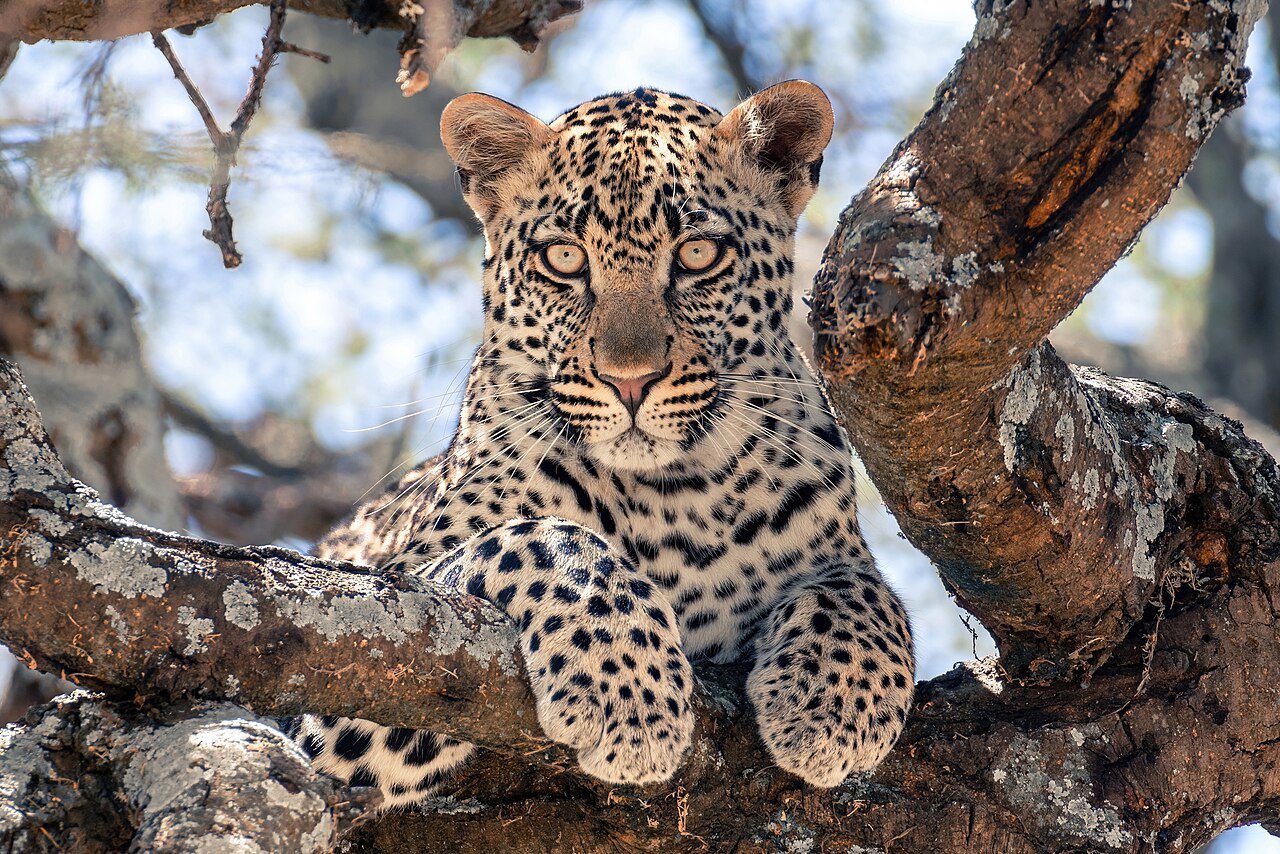
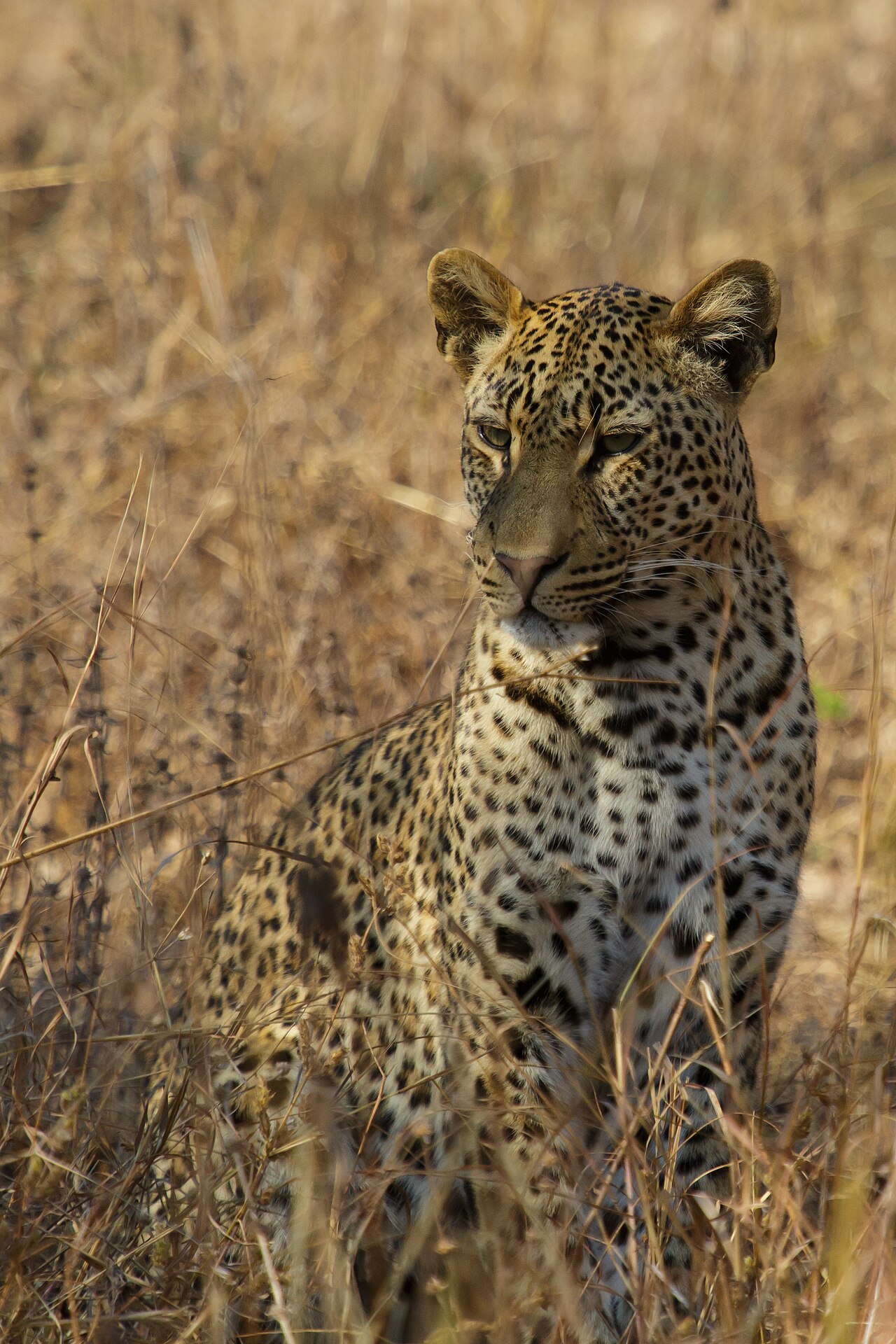
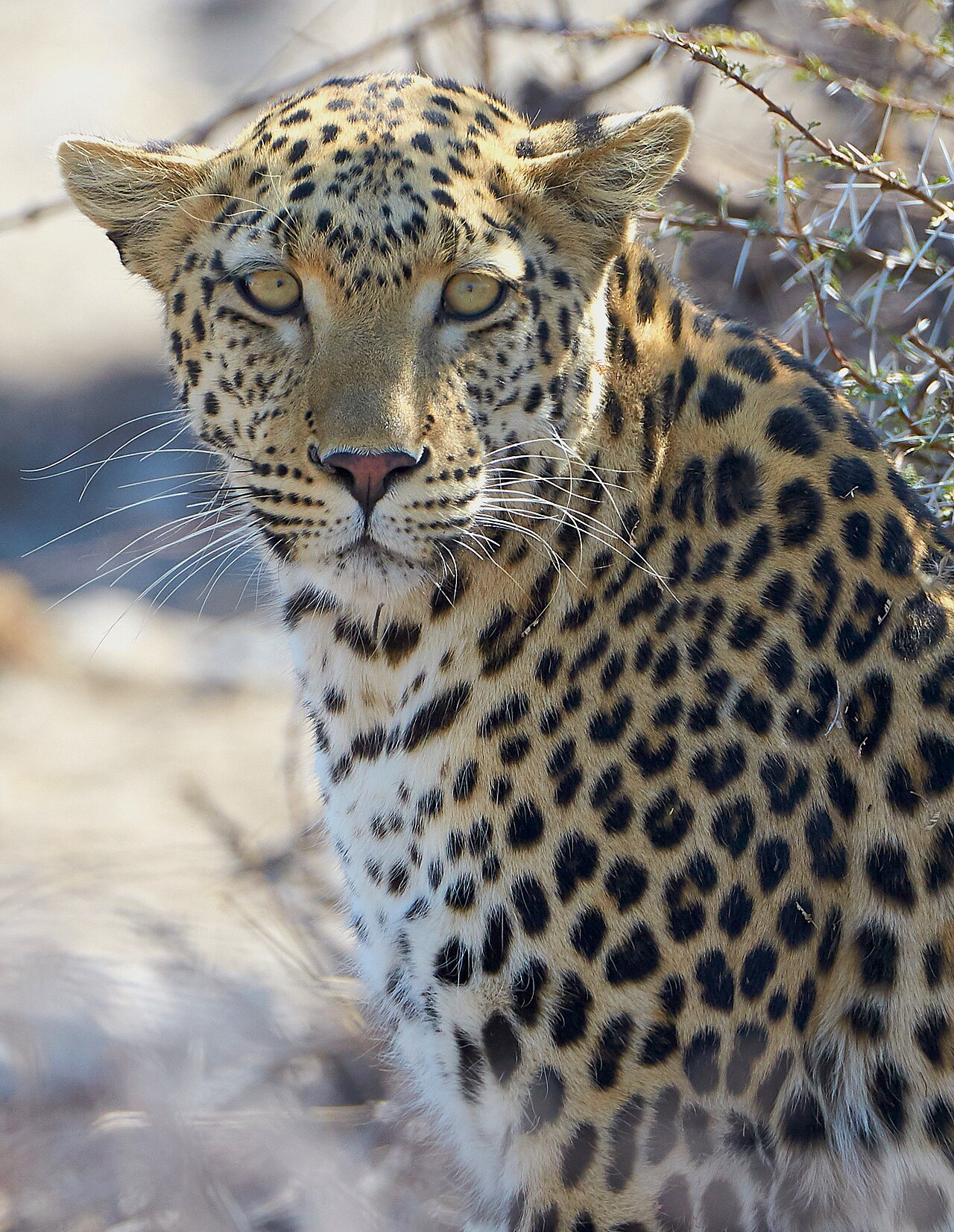
Frequently Asked Questions
Where do leopards live?
Leopards are remarkably adaptable, thriving in habitats that stretch from dense tropical rainforests to open grassland steppes. Their range spans sub-Saharan Africa and parts of South and Southeast Asia.
Are leopards endangered?
The IUCN currently classifies the leopard as Vulnerable, meaning wild populations face a significant risk of continued decline. Habitat destruction and fragmentation are the primary pressures pushing numbers down across their range.
More in Big Cats 1-22
Spotted an error? Know more?
This is a living reference — every entry is fact-audited, and reader corrections feed straight into our audit queue. Suggest an edit · See this site's audit record